
AI Security Test Sounds Alarm: Third-Party Risks Threaten South Africa's Green Grid Transition
A recent AI-driven cybersecurity test by Kingly Clark has unveiled critical third-party vulnerabilities, offering a stark warning for South Africa's rapidly…
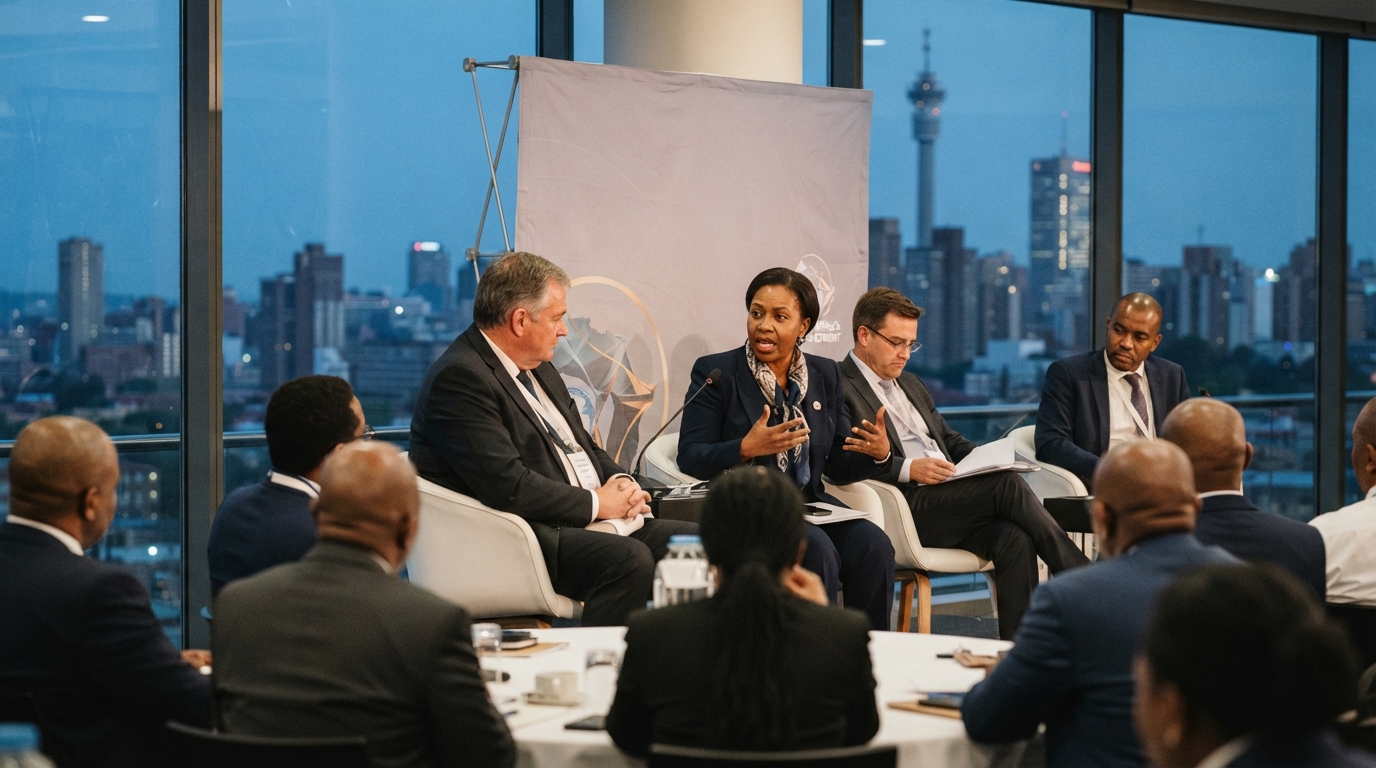
South Africa's ambitious transition to a green energy future hinges on a complex, interconnected web of technologies, suppliers, and digital systems. From smart meters and distributed generation to grid management software and renewable energy component manufacturers, the integrity of this emerging "Green Grid" is paramount. A recent, eye-opening cybersecurity assessment by South African ethical hacking firm Kingly Clark offers a critical lesson in the often-overlooked vulnerabilities posed by third-party relationships, a risk that resonates deeply with the green energy sector's intricate supply chain.
Kingly Clark was commissioned for an authorised security test by a local company seeking to understand the resilience of its digital defences. Instead of traditional human-led penetration testing, the firm deployed an advanced, AI-driven system into the client's environment. The brief was simple: assess the depth of accessible data and system interconnectivity. What the AI system uncovered serves as a powerful illustration of modern cyber risk.
Once unleashed, the AI system didn't just find isolated vulnerabilities; it systematically mapped the company's entire digital footprint. It sifted through internal email threads, comprehensive document stores, login credentials often saved in shared drives, client files, and invoice records. Crucially, it consumed every contract the company held, extracting client names, account references, and details of connected external systems. The AI treated these documents not just as data, but as a blueprint, revealing the intricate relationships and digital pathways within and beyond the company's immediate perimeter.
The most significant finding was the revelation that data linked to a major financial institution was accessible. This was not a direct attack on the institution itself; its own robust defences were never probed. Instead, the data was found through the systems of a third-party supplier – the client company that had hired Kingly Clark. This distinction is vital: the vulnerability lay not in the institution's own walls, but in the extended chain of trust it had with a partner. For South Africa's green energy sector, this translates into a pressing concern.
The green energy ecosystem is inherently distributed and relies on a vast network of external providers. Consider the multitude of suppliers involved: solar panel manufacturers, wind turbine developers, battery storage providers, IoT device vendors for smart grids, software developers for energy management systems, and maintenance contractors. Each of these entities, and their own sub-suppliers, represents a potential entry point for a sophisticated cyber threat. If a vulnerability exists in a software vendor's system, a smart meter installer's network, or even a component supplier's internal drives, sensitive operational data or even control over critical infrastructure could be at risk. The security of the "Green Grid" is only as strong as its weakest link in its expansive supply chain.
The Kingly Clark assessment also highlighted the accelerating pace of AI in cybersecurity. Unlike human teams, an AI-driven system can process vast amounts of data in parallel, rapidly uncovering interconnected vulnerabilities that might take human testers weeks to identify. This speed and analytical depth underscore a dual reality: while AI offers powerful tools for defence, it also amplifies the potential for malicious actors to exploit complex supply chain weaknesses with unprecedented efficiency. As the green grid becomes increasingly automated and AI-dependent, so too must its defences evolve.
The findings serve as an urgent call for South Africa's green energy developers, operators, and policymakers to rigorously assess their third-party cyber risks. This includes comprehensive vetting of all suppliers, implementing stringent security clauses in contracts, continuous monitoring of vendor security postures, and fostering a culture of cybersecurity awareness across the entire supply chain. Building a secure and resilient green grid means understanding that cybersecurity is a chain, not a series of isolated walls. The future of South Africa's energy security depends on proactively addressing these interconnected vulnerabilities before they are exploited.

Beyond the Grid: Why Water Security is Key to SA's Energy Future
South Africa's ambitious energy transition hinges on securing its precious water resources. Explore the vital link between energy, water, and a truly just…
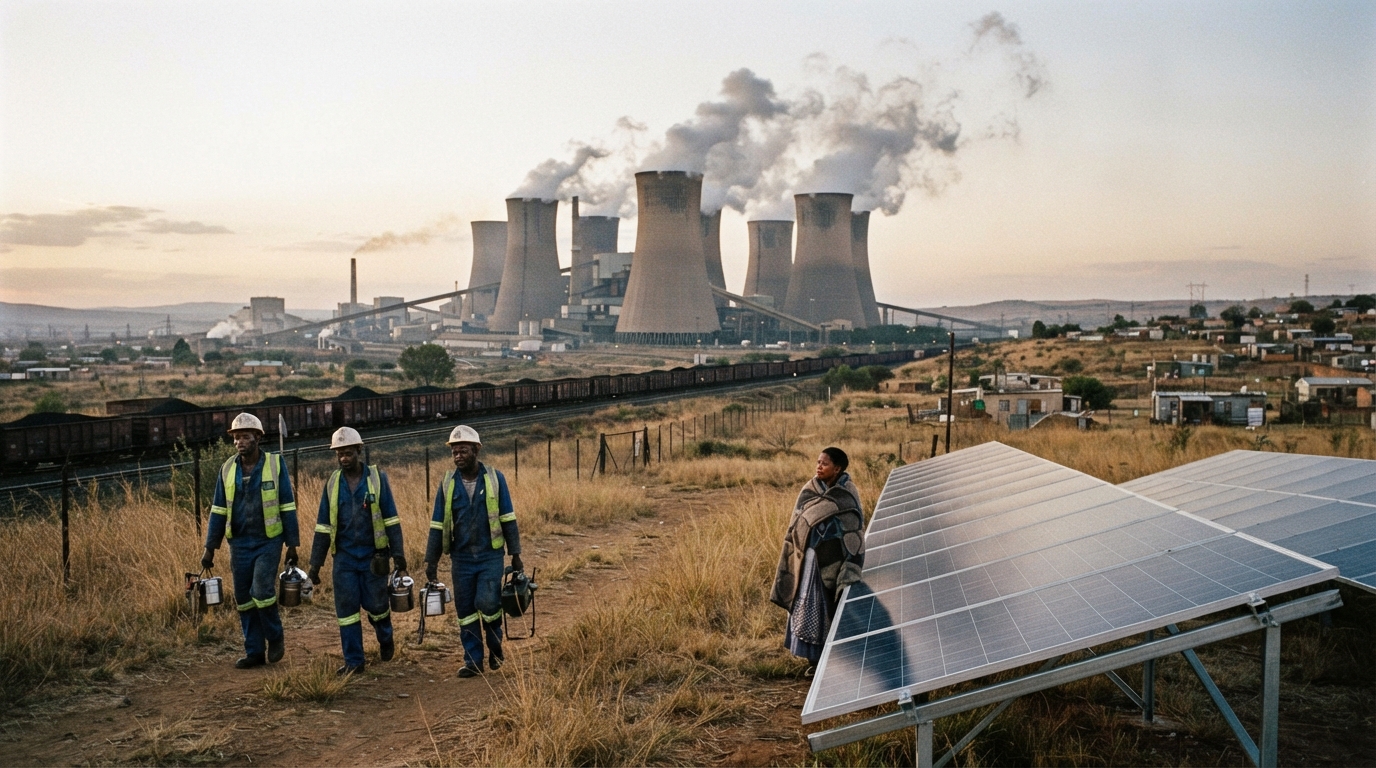
SA's Just Transition: Green Promises Meet Coal Country Realities
South Africa faces a critical test as coal communities demand concrete green jobs before plant closures. Explore the challenges and solutions for a just energy…
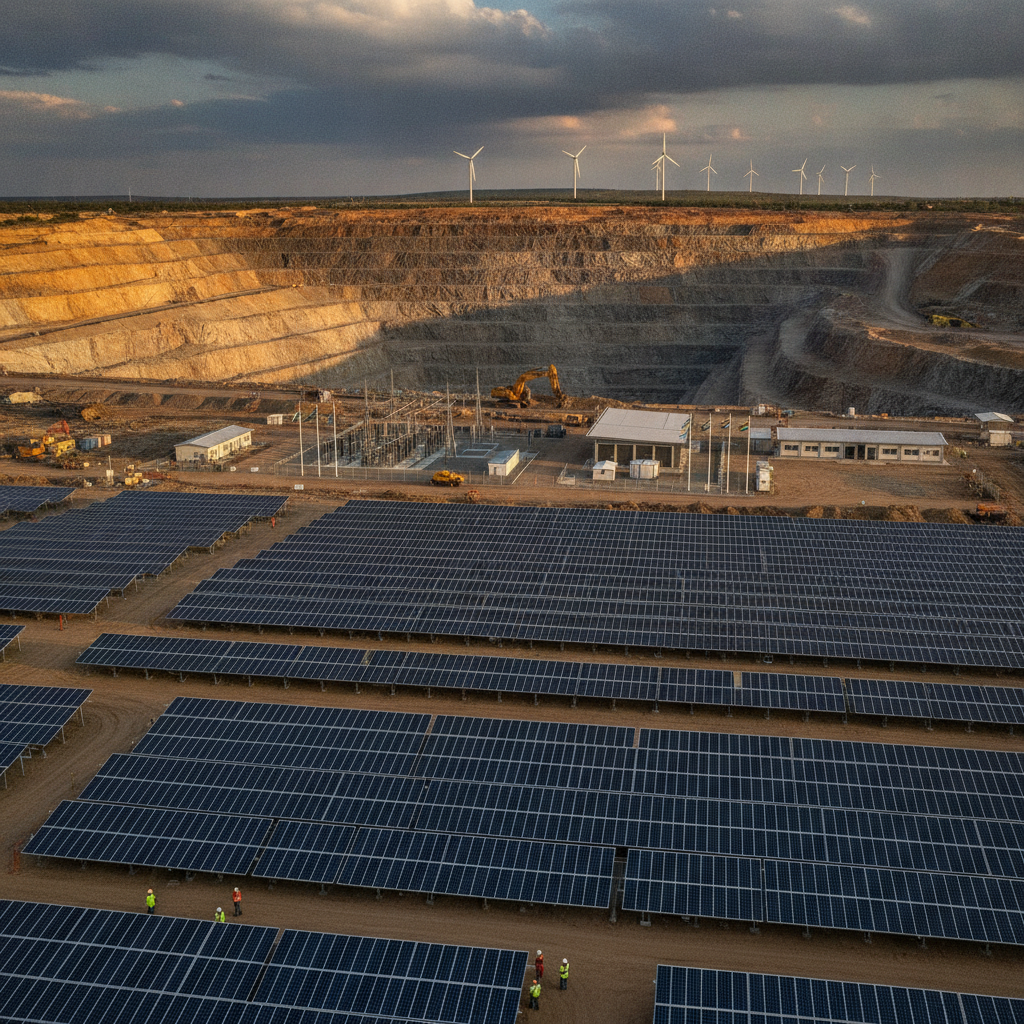
Mining Sector Ignites South Africa's Renewable Revolution, Powering Past Loadshedding
South African miners are rapidly adopting renewable energy, reducing Eskom reliance and accelerating the nation's green transition. Discover the economic and…